
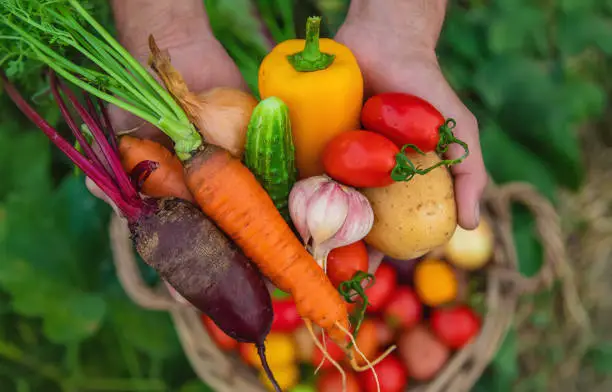

Home gardening in Pakistan is gaining popularity not just as a hobby, but as a healthy lifestyle choice. Pakistan’s rich soil and warm climate create perfect conditions for growing summer season vegetables in Pakistan right from your backyard, balcony, or rooftop. Summer vegetables are essential for staying healthy during scorching heat, offering hydration through their rich water content and antioxidants that improve immunity. We’ve curated this summer vegetables list in Pakistan featuring 15 expert picks, including okra, bitter gourd, tomatoes, and cucumbers, to help you enjoy a fresh harvest this season.
Stay connected with OG Pakistan for more seasonal tips, expert advice, and fresh updates.
List of Summer Season Vegetables in Pakistan
Pakistan has a wide variety of vegetables that thrive during the summer months. Below is the list:
- Okra (Bhindi)
- Bitter Gourd (Karela)
- Bottle Gourd (Lauki)
- Sponge Gourd (Torai)
- Brinjal (Baingan)
- Tinda (Round Gourd)
- Tomato (Tamatar)
- Cucumber (Kheera)
- Pumpkin (Kaddu)
- Chili Peppers (Mirch)
- Bell Peppers (Shimla Mirch)
- Cluster Beans (Gawar Phali)
- Corn (Bhutta)
- Arum (Arvi)
- Squash (Zucchini)
Okra (Bhindi)
Bhindi ranks among the most popular summer vegetables in Pakistan, thriving in the warm season from February through September. This heat-loving vegetable demands specific attention to timing and temperature for successful cultivation.
Sowing Time and Growing Conditions
Spring and monsoon seasons offer ideal windows for planting okra in Pakistani regions. In Punjab, farmers sow seeds from February to March for spring crops and June to July for monsoon harvests. Sindh’s warmer climate permits earlier sowing between January and February, with a second planting in May to June.
Temperature plays a critical role in okra cultivation. The vegetable performs best within 25-35°C range, while germination requires minimum soil temperatures of 18-20°C. Seeds benefit from soaking 12 to 24 hours before planting to soften their hard outer shell. Plant seeds 2 to 3 centimeters deep, spacing them 30 to 45 centimeters apart. Germination typically occurs within 7 to 14 days, with the first harvest beginning 45-50 days after sowing.
Health Benefits and Nutritional Value
Okra delivers impressive nutrition with just 33 calories per 100 grams. This serving provides 3 grams of fiber, 26% of daily vitamin C needs, 26% of vitamin K, 15% of folate, and 14% of magnesium. The mucilage content supports joint health and knee lubrication, prompting some practitioners to recommend consuming 4-5 raw okra pods daily.
Research indicates okra helps regulate blood sugar levels in people with prediabetes and type 2 diabetes. The soluble fiber binds to cholesterol during digestion, promoting heart health. Additionally, vitamin C content strengthens immune function and protects against oxidative stress.
Culinary Uses and Cooking Tips
Pakistani cuisine features bhindi in various preparations, from masala curries to simple stir-fries. The key challenge involves managing its mucilage, which creates sliminess when moisture is introduced.
Dry roasting okra in an empty skillet until half-cooked eliminates sliminess without adding excess oil. Select fresh, small organic pods for best results, ensuring they’re completely dry before cutting. Cook uncovered on medium heat to prevent moisture buildup. Harvest pods when they reach 7-10 centimeters in length every 2-3 days for continuous production.
Bitter Gourd (Karela)
Karela holds a special place among Pakistani vegetables for its medicinal properties, particularly in managing blood sugar levels. This warm-season crop demands specific growing parameters but rewards gardeners with harvests rich in vitamins and therapeutic compounds.
Sowing Time and Growing Conditions
Plant bitter gourd seeds from February to May when soil temperatures stabilize between 24°C and 32°C. Seeds germinate within 7-12 days under warm, moist conditions. Soaking seeds overnight before sowing improves germination rates.
Space plants 2-3 feet apart to allow vine expansion. The crop prefers well-drained sandy to sandy loam soils rich in organic matter, with pH ranging from 6.0-7.0. Temperature between 24-27°C promotes optimal vine growth. Harvest fruits 55-70 days after sowing when they reach 4-6 inches in length, maintaining a bright green, tender appearance. Pick every 2-3 days to encourage continuous production throughout the season.
Health Benefits and Nutritional Value
Research confirms karela’s effectiveness in reducing fasting glucose levels in prediabetic subjects, with a 12-week supplementation reducing fasting plasma glucose by approximately 0.05 mmol/L per week. Bitter gourd juice lowers blood sugar within 30 minutes of consumption.
Each 100-gram serving provides 92% of daily vitamin C requirements, 48% of vitamin A, 23% of magnesium, and 602mg of potassium. The vegetable contains only 34 calories with 7 grams of carbohydrates and 3.6 grams of protein. These nutrients support immune function, eye health, and blood pressure regulation.
Culinary Uses and Cooking Tips
Bitterness deters many people from enjoying karela’s benefits. Hence, several techniques reduce this characteristic taste:
- Salt marination: Sprinkle salt generously on scraped bitter gourd, rub thoroughly, set aside for 30 minutes, then wash
- Jaggery addition: Grate jaggery into the dish to balance flavors while adding glossy appearance
- Vinegar-sugar soak: Combine equal parts water, vinegar, and 2 tablespoons sugar; soak chopped pieces for 20-30 minutes
- Boiling method: Cook in salted boiling water for 2 minutes, then immediately transfer to cold water
Always remove seeds before cooking as they intensify bitterness.
Bottle Gourd (Lauki)
Lauki stands out as a low-calorie health food loaded with vitamins, minerals, and abundant water content. This fast-growing vine thrives throughout Pakistan’s warm months, producing tender gourds suitable for both sweet and savory preparations.
Sowing Time and Growing Conditions
Sow bottle gourd seeds from February to May when soil temperatures reach 20-35°C. Summer planting (January-March) delivers excellent results in warmer regions, while the Kharif season (June-July) suits monsoon-dependent farming. Post-monsoon sowing (October-November) works well in North and Central Pakistan.
Seeds germinate within 7-10 days under warm, moist conditions. Soaking seeds overnight improves germination rates. Plant seeds 1 inch deep in loose, compost-rich soil, spacing plants 3-4 feet apart. Given that bottle gourd develops vigorous climbing habits quickly, build strong trellis support early or allow vines to trail on the ground.
Water deeply 2-3 times weekly, maintaining consistent soil moisture. The plant requires abundant watering for growth. Harvest occurs 70-90 days after sowing when fruits remain tender.
Health Benefits and Nutritional Value
Bottle gourd contains over 90% water, making it excellent for hydration during hot weather. Each 100-gram serving provides just 15 kilocalories with 3.55 grams of carbohydrates and 0.72 grams of protein.
The vegetable delivers vitamin C for immunity, B-complex vitamins for metabolism, plus calcium, magnesium, and potassium. Potassium regulates blood pressure while supporting cardiovascular health. High fiber content aids digestion and promotes satiety for weight management. Correspondingly, the low glycemic index helps maintain stable blood sugar levels.
Culinary Uses and Cooking Tips
Pakistani cuisine features lauki in various dishes, namely lauki chana dal, bhujia curry, soups, and even halwa. When selecting bottle gourd, choose firm vegetables with light green, even-colored skin. Fresh gourds show no resistance when indented with a fingernail. Cook in its own juices without adding extra water for concentrated flavor.
Sponge Gourd (Torai)
Torai grows vigorously in Pakistani summers, producing tender green vegetables that suit multiple cooking styles. This climbing vine adapts well to home gardens and rooftop spaces, requiring minimal maintenance once established.
Sowing Time and Growing Conditions
Sow sponge gourd seeds from February to May when soil temperatures stabilize between 24°C and 32°C. Germination occurs within 5-10 days under warm, moist conditions. Space plants 2-3 feet apart to accommodate vine expansion.
The crop demands 6-8 hours of direct sunlight daily for vigorous growth and fruiting. Water deeply 2-3 times weekly, increasing frequency during flowering and fruit development stages. Build trellis support reaching 5-6 feet height using locally available materials like bamboo or metal pipes.
Punjab Nikhar variety delivers first picking within 43 days from transplanting with yields reaching 82 quintals per acre. Arka Vikram, a hybrid variety, produces first harvest at 46 days with yields of 136 quintals per acre over 120-135 days. Harvest fruits when they reach 6-8 inches in length, maintaining tenderness. Pick every 2-3 days to sustain vine productivity.
Health Benefits and Nutritional Value
Each 100-gram serving contains approximately 20 calories with 90% water content. The vegetable provides modest vitamin C levels, calcium, iron, magnesium, and potassium. Fiber content ranges from 1-2 grams per serving.
The high water composition supports natural hydration, especially beneficial during hot weather. Low glycemic index makes torai suitable for blood sugar management. Vitamin C contributes to skin elasticity and collagen production.
Culinary Uses and Cooking Tips
Stir-fry torai with garlic, onion, and spices for quick preparation. Add to lentil dishes for extra volume and nutrients. Equally, the vegetable absorbs flavors well in tomato or coconut-based curries without turning mushy. Hollow out mature gourds and stuff with spiced meat or vegetables for traditional preparations.
Brinjal (Baingan)
Baingan enjoys widespread cultivation across Pakistani homes and farms, valued equally for its nutritional density and adaptability to various regional cuisines. This purple-skinned vegetable belongs to the nightshade family and responds well to warm growing conditions.
Sowing Time and Growing Conditions
Nursery timing varies by region. Central Punjab farmers (Lahore, Faisalabad, Gujranwala) sow spring crop nurseries from mid-January to early February and autumn nurseries from June to July. Southern Punjab (Multan, Bahawalpur) begins earlier in January for spring crops and May-June for autumn plantings. Sindh gardeners prepare nurseries between December and January, with a second crop in August. Khyber Pakhtunkhwa requires February spring nurseries and July autumn sowings, while cooler zones like Swat shift to March.
Optimal growing temperatures range between 21-30°C, with soil germination temperatures of 24-32°C. Transplant seedlings at the 4-5 true leaf stage, typically 30-35 days after sowing. Space plants 18-24 inches apart in well-drained, slightly acidic soil with pH 6.0-7.0. Harvest occurs 80-100 days after sowing when fruits appear shiny and firm.
Health Benefits and Nutritional Value
Each 100-gram serving contains just 25 calories with 3 grams of fiber. The vegetable provides 10% of daily manganese requirements, 5% of folate and potassium. Particularly noteworthy, brinjal contains nasunin, an anthocyanin antioxidant that protects against oxidative damage. The fiber content supports blood sugar control by slowing digestion. Low calorie density combined with high fiber promotes satiety for weight management.
Culinary Uses and Cooking Tips
Pakistani cuisine features baingan in aloo baingan (potato-eggplant curry), bagara baingan (Hyderabadi specialty), and baingan bharta (smoky mashed preparation). To reduce natural bitterness, sprinkle salt on sliced pieces and let sit for 30 minutes before rinsing. Avoid deep-frying; instead, grill, roast, or air-fry to retain nutrients while minimizing oil absorption.
Tinda (Round Gourd)
Round gourd resembles a small green apple with its fuzzy exterior and compact shape, ready for harvest within 70 days of planting. This climbing vine vegetable produces abundant fruits measuring 2-4 inches in diameter, perfect for Pakistani summer dishes.
Sowing Time and Growing Conditions
Sow tinda seeds from February to May when soil temperatures reach 24°C to 32°C. Seeds germinate within 5-10 days under warm, moist conditions . Plant seeds 1 inch deep in loose, compost-rich soil, spacing plants 2-3 feet apart.
The crop requires 6-8 hours of direct sunlight daily. Water deeply 2-3 times weekly, maintaining even soil moisture. Increase watering frequency during flowering and fruiting stages. Build trellis support for vertical growth or allow vines to trail on the ground.
Feed with NPK 20-20-20 fertilizer every 15 days after transplanting, switching to NPK 5-15-45 during flowering for improved fruit set. Harvest occurs 50-70 days after sowing when fruits are firm, round, and 2-3 inches in diameter. Pick fruits every 2-3 days to encourage continuous production.
Health Benefits and Nutritional Value
Each 100-gram serving contains just 15-20 calories with over 90% water content. The vegetable provides vitamin C, riboflavin, niacin, calcium, and copper. Specifically, it offers potassium for blood pressure regulation and magnesium for bone health.
Low glycemic index makes tinda suitable for blood sugar management. High dietary fiber aids digestion, prevents constipation, and promotes satiety for weight loss. The vegetable supports kidney function by flushing toxins while maintaining hydration during hot weather.
Culinary Uses and Cooking Tips
Pakistani cuisine features tinda in masala curries, stuffed preparations (Bhary Hway Tinday), soups, and raita. Select tender fruits while skin remains soft. Store fresh tinda in the refrigerator for 1-2 weeks.
Tomato (Tamatar)
Pakistan’s most consumed vegetable crop demands precise timing and temperature control for successful cultivation. Tamatar drives household budgets and farmer income across every region, from Karachi to Lahore.
Sowing Time and Growing Conditions
Two commercial planting windows exist nationwide. Spring crops require nursery preparation from January to February in central Punjab, with transplanting in February to March and harvest from March to June. Autumn cycles begin with July to August nurseries, August to September transplanting, and October to December harvests.
Seeds germinate within 5-10 days at soil temperatures between 15°C and 30°C. Transplant seedlings at 4-5 weeks after sowing, spacing them 18-24 inches apart. The crop needs 6-8 hours of direct sunlight daily. Water deeply 2-3 times weekly depending on weather conditions. Feed with NPK 20-20-20 fertilizer every 15 days starting three weeks after transplanting, switching to NPK 5-15-45 during flowering. Harvest occurs 70-90 days after sowing when fruits turn fully colored and feel slightly soft.
Health Benefits and Nutritional Value
Each 100-gram serving contains 95% water with just 18 calories. The vegetable provides 28% of daily vitamin C requirements, along with potassium, vitamin K, and folate. Tomatoes serve as the major dietary source of lycopene, an antioxidant linked to reduced heart disease and cancer risk. Lycopene absorption increases up to four times when consumed with fat.
Culinary Uses and Cooking Tips
Pakistani cuisine features tamatar in Tamatar Gosht, a slow-cooked lamb stew where tomato tartness sweetens during cooking, creating thick paste surrounding tender meat. Heat during cooking makes lycopene easier for the body to absorb, making cooked preparations nutritionally superior to raw consumption.
Cucumber (Kheera)
Kheera provides exceptional hydration during Pakistan’s scorching heat, composed of 96% water. This refreshing vegetable grows rapidly from seed to harvest, making it accessible for home gardeners seeking quick results.
Sowing Time and Growing Conditions
Agriculture experts recommend starting early cucumber cultivation from mid-February through March. Late cultivation extends until July. Sowing windows span February to April and July to August across Pakistani regions, with germination occurring within 7-10 days. The crop demands 6-8 hours of full sunlight daily and soil temperatures between 20°C and 30°C. Harvest begins 50-70 days after sowing.
Health Benefits and Nutritional Value
Each 100-gram serving contains just 16 calories with 95.5 grams of water. The vegetable provides 24 micrograms of vitamin K, 170 milligrams of potassium, and 2.8 milligrams of vitamin C. Cucumbers help lower blood sugar levels, prevent constipation through high water and fiber content, and support weight loss due to low calorie density. The peel contains additional fiber and vitamin A, making unpeeled consumption nutritionally superior.
Culinary Uses and Cooking Tips
Pakistani households feature kheera in Tamatar Kheera Salad, combining diced cucumbers with tomatoes, onions, cumin powder, and chaat masala. The vegetable pairs well with yogurt in refreshing raita preparations.
Pumpkin (Kaddu)
Kaddu delivers exceptional nutritional density combined with traditional culinary significance across Pakistani households. This warm-season climber belongs to the Cucurbitaceae family and thrives in specific temperature ranges.
Sowing Time and Growing Conditions
Sow pumpkin seeds from February to April when soil temperatures reach 24°C to 32°C. Monsoon planting occurs from June through early August in many regions. Seeds germinate within 7-10 days under warm, moist conditions. Space plants 3-4 feet apart in compost-enriched soil. The crop demands 6-8 hours of full sunlight daily. Water deeply 2-3 times weekly, increasing during flowering and fruiting stages. Feed with NPK 20-20-20 fertilizer every 15 days until flowering, then switch to NPK 5-15-45. Harvest occurs 90-120 days after sowing when fruits develop deep color and hard skin.
Health Benefits and Nutritional Value
One cup of canned pumpkin provides 238% of recommended daily vitamin A with only 40 calories. The serving contains 4 grams of fiber and substantial potassium for blood pressure regulation. Beta-carotene content supports vision, fights infections, and may protect against heart disease. Research confirms anti-inflammatory, antibacterial, and antidiabetic properties.
Culinary Uses and Cooking Tips
Pakistani cuisine features kaddu ki sabzi, a spiced curry cooked on low flame. The dish balances spicy, sweet, and sour flavors through jaggery and amchoor additions.
Chili Peppers (Mirch)
Mirch brings distinctive heat to Pakistani cuisine through capsaicin, the bioactive compound responsible for their pungent flavor and numerous therapeutic properties. This warm-season crop grows across Pakistan from coastal Karachi to northern regions, adapting to varied climatic zones.
Sowing Time and Growing Conditions
Plant chili pepper seeds from February to April when temperatures stabilize between 22°C and 32°C. Karachi’s hot desert climate permits year-round cultivation, while Lahore and Islamabad gardeners sow from February through May. Seeds germinate within 7-14 days at soil temperatures of 20-30°C. The crop demands 6-8 hours of full sunlight daily. Harvest occurs 60-120 days after sowing, depending on variety. Stress conditions (reduced water, intense sun) increase capsaicin concentration and heat levels.
Health Benefits and Nutritional Value
Capsaicin provides pain relief for arthritis and post-operative discomfort. Research demonstrates anti-cancer activity against breast, prostate, colorectal, lung, gastric, and pancreatic cancers. Chili peppers contain higher vitamin C levels than oranges, serving for serving. Each 15-gram portion provides 6 calories with vitamin A, B6, K1, potassium, and copper. Capsaicin promotes weight loss by reducing appetite and increasing fat burning. A 10-gram serving significantly boosts metabolism in both men and women.
Culinary Uses and Cooking Tips
Green peppers add aromatic depth to Chicken Jalfrezi without excessive heat. Pakistani cooks incorporate fresh chilies into curries, grind dried peppers for spice blends, and pickle jalapeños. Harvest green for milder flavor or allow ripening to red for fruitier, hotter taste.
Bell Peppers (Shimla Mirch)
Shimla Mirch earns its name from the British colonial introduction in the mountainous Indian city of Shimla. This colorful vegetable delivers exceptional vitamin content without capsaicin heat, distinguishing it from its spicy chili pepper relatives.
Sowing Time and Growing Conditions
Sow seeds from February to April when temperatures range between 20°C and 28°C. Germination occurs within 7-14 days. Transplant seedlings at the 4-5 true leaf stage, approximately 4-5 weeks after sowing. Space plants 15-18 inches apart in well-drained soil with pH 6.0-6.8.
The crop demands 6-8 hours of direct sunlight daily. Water deeply 2-3 times weekly, maintaining consistent moisture without waterlogging. Feed with NPK 20-20-20 fertilizer every 15 days, switching to NPK 5-15-45 during flowering. Harvest begins 80-100 days after sowing when fruits reach full size and firm texture.
Health Benefits and Nutritional Value
One medium red bell pepper provides 169% of daily vitamin C requirements, making it among the richest dietary sources. Each cup contains just 39 calories with 92% water. The vegetable supplies vitamin A, B6, folate, vitamin E, and potassium. Notably, lutein and zeaxanthin support eye health by protecting the retina from oxidative damage.
Culinary Uses and Cooking Tips
Pakistani cuisine features shimla mirch in Dahi Shimla Mirch, capsicum masala, and aloo shimla mirch sabzi. Roast peppers for soups and dips or add raw to salads for crunch.
Cluster Beans (Gawar Phali)
Gawar Phali thrives in Pakistan’s arid and semi-arid regions, particularly Punjab, owing to its exceptional drought tolerance and ability to fix nitrogen naturally in soil. This legume vegetable belongs to the Fabaceae family and grows in distinctive clusters along the vine.
Sowing Time and Growing Conditions
Sow cluster bean seeds during Kharif season from the first or second week of July. Summer planting occurs between the last week of February and the second week of March. Seeds germinate at 25°C, though temperatures between 30-35°C accelerate the process. The crop requires 6-8 hours of direct sunlight minimum and thrives in well-drained sandy loam soil with pH 7-8.5. Water deeply and consistently, as cluster beans are water-loving plants, but avoid waterlogging. Yields range from 14 to 22 quintals per acre.
Health Benefits and Nutritional Value
Each 100-gram serving contains 35 kilocalories with 7 grams of fiber and 3 grams of protein. The vegetable provides 156 milligrams of calcium and 96 milligrams of iron, making it effective for treating anemia. Low glycemic index combined with high fiber content helps regulate blood sugar levels, while soluble fiber reduces LDL cholesterol for heart health.
Culinary Uses and Cooking Tips
Cluster beans have a slightly bitter taste. Pressure cook or steam before mixing with spices, as they take longer to cook than other beans. Add ajwain to aid digestion and reduce gas.
Corn (Bhutta)
Maize stands apart as the only cereal grain featured among Pakistani summer vegetables, ranking third after wheat and rice in agricultural importance. This versatile crop serves multiple purposes, from dairy feed to human consumption and industrial glucose production.
Sowing Time and Growing Conditions
Pakistan’s farmers cultivate maize across two distinct seasons. Spring planting occurs from mid-January to February in central Punjab, with optimal windows extending until February 25th. Sindh’s warmer climate permits earlier sowing between January and February 10th. Autumn cultivation runs from July 25th to August 20th in Punjab, while Khyber Pakhtunkhwa’s summer window spans June 10th to July 20th. The crop thrives at temperatures between 18°C and 30°C, requiring minimum soil temperatures of 10-12°C for germination. Loamy soil with pH ranging from 6 to 8 produces optimal yields. Harvest timing varies by season: spring crops mature in June-July, autumn harvests occur in October-November.
Health Benefits and Nutritional Value
Each 100-gram serving contains 96 calories with 73% water content. The grain provides 3.4 grams of protein, 21 grams of carbohydrates, and 2.4 grams of fiber. Particularly noteworthy, corn supplies lutein and zeaxanthin carotenoids that protect against macular degeneration and cataracts. Research involving 47,228 men revealed that high popcorn consumption reduced diverticular disease risk by 28%. The grain delivers manganese, phosphorus, magnesium, folate, and vitamin B6.
Culinary Uses and Cooking Tips
Grilled bhutta represents Pakistan’s beloved street food. Vendors char corn over charcoal until kernels turn brown-black, then apply spice mixtures containing chaat masala, cumin powder, and red chili. Fresh lemon juice rubbed over the charred surface creates the signature tangy finish.
Arum (Arvi)
Arvi grows beneath the soil surface as an edible starchy corm, distinguishing it from vine vegetables in Pakistani summer gardens. This root vegetable, scientifically called Colocasia esculenta, offers a slightly sweet and nutty flavor profile.
Sowing Time and Growing Conditions
Plant arvi during late February using the top growing tip as propagation material. The crop thrives in warm climates with temperatures ranging from 20°C to 38°C. Soil pH between 5.5 and 7.0 promotes optimal root development and nutrient absorption.
Initial growth demands abundant watering until roots establish. The tubers require 6-8 months to form properly, with full maturity occurring around 9-12 months after planting. Soil enrichment with calcium, phosphorus, and nitrogen supports healthy corm development. Harvest when foliage starts yellowing and withering, stopping irrigation 20 days beforehand.
Health Benefits and Nutritional Value
Arvi delivers rich carbohydrate content providing sustained energy. The vegetable contains dietary fiber, vitamins, and minerals contributing to balanced nutrition. Additionally, protein content supports tissue repair and growth.
Culinary Uses and Cooking Tips
Soak cut pieces in lukewarm salt water for 20 to 30 minutes to soften texture and eliminate bitterness. Fry separately until golden brown before incorporating into masala gravy. Finish preparations by squeezing fresh lemon juice over the dish for enhanced depth.
Squash (Zucchini)
Zucchini adapts remarkably well to Pakistan’s varied climate zones, growing successfully in Karachi’s hot desert conditions year-round and in Lahore and Islamabad from February to May. This warmth-loving plant thrives between 18°C and 27°C, though it cannot tolerate frost.
Sowing Time and Growing Conditions
Wait until soil warms to at least 18°C before planting, as cold soil stunts growth and invites root rot. The crop demands full sun exposure of 6-8 hours daily with regular watering to maintain consistent moisture. Harvest occurs 45-60 days after planting. Check plants daily once fruiting begins, as zucchini grows fast. Pick when fruits reach 15-20cm length for best flavor.
Health Benefits and Nutritional Value
Squash serves as a rich source of vitamin A, calcium, and phosphorus. Research links vitamin A deficiency to increased bone fracture risk. The vegetable contains antioxidants that prevent cellular damage. Particularly, beta-carotene may protect against various cancers. Magnesium supports over 300 bodily processes, maintaining heart rhythm and energy levels. Potassium helps lower blood pressure.
Culinary Uses and Cooking Tips
Pakistani cooks prepare zucchini curry (Torai ki Sabzi) using traditional spices without adding water, as the vegetable’s high water content cooks it naturally. The curry pairs perfectly with roti, naan, or paratha.
Comparison Table: 15 Best Summer Vegetables in Pakistan
| Vegetable | Sowing Time | Germination Period | Harvest Time (Days After Sowing) | Optimal Temperature | Calories (per 100g) | Key Nutrients | Primary Health Benefits | Popular Pakistani Dishes |
|---|---|---|---|---|---|---|---|---|
| Okra (Bhindi) | Feb-Mar (spring), Jun-Jul (monsoon) | 7-14 days | 45-50 days | 25-35°C | 33 | Vitamin C (26% DV), Vitamin K (26% DV), Fiber (3g) | Blood sugar regulation, heart health, joint lubrication | Bhindi masala, stir-fries |
| Bitter Gourd (Karela) | Feb-May | 7-12 days | 55-70 days | 24-32°C | 34 | Vitamin C (92% DV), Vitamin A (48% DV), Potassium (602mg) | Reduces blood sugar, immune support, eye health | Salt-marinated curry, stuffed karela |
| Bottle Gourd (Lauki) | Feb-May, Jun-Jul (monsoon) | 7-10 days | 70-90 days | 20-35°C | 15 | Vitamin C, B-complex, Calcium, Potassium | Hydration (90% water), weight management, blood pressure regulation | Lauki chana dal, bhujia curry, halwa |
| Sponge Gourd (Torai) | Feb-May | 5-10 days | 43-46 days | 24-32°C | 20 | Vitamin C, Calcium, Iron, Potassium | Hydration (90% water), blood sugar management, skin health | Stir-fry, lentil dishes, curries |
| Brinjal (Baingan) | Jan-Feb (spring), Jun-Jul (autumn) | Not mentioned | 80-100 days | 21-30°C | 25 | Fiber (3g), Manganese (10% DV), Nasunin antioxidant | Blood sugar control, weight management, oxidative protection | Aloo baingan, bagara baingan, baingan bharta |
| Tinda (Round Gourd) | Feb-May | 5-10 days | 50-70 days | 24-32°C | 15-20 | Vitamin C, Riboflavin, Potassium, Magnesium | Hydration (90% water), kidney function, blood sugar management | Masala curry, Bhary Hway Tinday, raita |
| Tomato (Tamatar) | Jan-Feb (spring), Jul-Aug (autumn) | 5-10 days | 70-90 days | 15-30°C | 18 | Vitamin C (28% DV), Lycopene, Potassium, Folate | Heart disease prevention, cancer risk reduction, immune support | Tamatar Gosht, curries, salads |
| Cucumber (Kheera) | Feb-Apr, Jul-Aug | 7-10 days | 50-70 days | 20-30°C | 16 | Vitamin K (24mcg), Potassium (170mg), Water (96%) | Hydration, blood sugar control, weight loss | Tamatar Kheera Salad, raita |
| Pumpkin (Kaddu) | Feb-Apr, Jun-Aug (monsoon) | 7-10 days | 90-120 days | 24-32°C | 40 (per cup) | Vitamin A (238% DV), Fiber (4g), Potassium | Vision support, anti-inflammatory, blood pressure regulation | Kaddu ki sabzi (spiced curry) |
| Chili Peppers (Mirch) | Feb-Apr | 7-14 days | 60-120 days | 22-32°C | 6 (per 15g) | Vitamin C (higher than oranges), Vitamin A, Capsaicin | Pain relief, anti-cancer, metabolism boost | Chicken Jalfrezi, curries, pickles |
| Bell Peppers (Shimla Mirch) | Feb-Apr | 7-14 days | 80-100 days | 20-28°C | 39 (per cup) | Vitamin C (169% DV), Vitamin A, Lutein, Zeaxanthin | Eye health, immune support, antioxidant protection | Dahi Shimla Mirch, capsicum masala, aloo shimla mirch |
| Cluster Beans (Gawar Phali) | Jul (Kharif), Feb-Mar (summer) | Germinates at 25°C | Not mentioned | 30-35°C | 35 | Fiber (7g), Protein (3g), Calcium (156mg), Iron (96mg) | Anemia treatment, blood sugar regulation, cholesterol reduction | Pressure-cooked with spices, added with ajwain |
| Corn (Bhutta) | Jan-Feb (spring), Jul-Aug (autumn) | Minimum 10-12°C soil temp | Jun-Jul (spring), Oct-Nov (autumn) | 18-30°C | 96 | Protein (3.4g), Fiber (2.4g), Lutein, Zeaxanthin | Eye health, diverticular disease prevention | Grilled bhutta with chaat masala |
| Arum (Arvi) | Late February | Not mentioned | 9-12 months | 20-38°C | Not mentioned | Carbohydrates, Fiber, Protein, Calcium, Phosphorus | Sustained energy, tissue repair, balanced nutrition | Fried with masala gravy, lemon finish |
| Squash (Zucchini) | Feb-May | Not mentioned | 45-60 days | 18-27°C | Not mentioned | Vitamin A, Calcium, Phosphorus, Beta-carotene, Magnesium | Bone health, cancer prevention, blood pressure regulation | Torai ki Sabzi (curry with traditional spices) |
Conclusion
All things considered, growing summer vegetables in Pakistan offers you tremendous health benefits alongside significant cost savings. I’ve covered 15 vegetables that thrive in our climate, from nutrient-dense okra to hydrating cucumbers. Each vegetable brings unique advantages to your table while adapting beautifully to home gardens, balconies, and rooftops.
You don’t need vast farmland to start. Pick two or three vegetables from this list based on your available space and cooking preferences. Start small, follow the sowing guidelines I’ve shared, and gradually expand your garden as you gain confidence.
Fresh, homegrown vegetables taste better and nourish your family naturally. Happy gardening! OG Pakistan brings you simple, practical guides to help you succeed.
FAQs
Q1. Which vegetables grow best during summer in Pakistan?
The top summer vegetables for Pakistan include tomatoes, okra (bhindi), bitter gourd (karela), bottle gourd (lauki), cucumber (kheera), brinjal (baingan), capsicum, chilies, beans, pumpkin (kaddu), and sponge gourd (torai). These warm-season crops thrive in temperatures between 20-35°C and can be successfully grown in home gardens, balconies, and rooftops across the country.
Q2. What is the quickest summer vegetable to harvest in Pakistan?
Okra (bhindi) is among the fastest-growing summer vegetables, ready for first harvest in just 45-50 days after sowing. Cucumber and sponge gourd (torai) also grow rapidly, with harvest beginning 50-70 days and 43-46 days respectively after planting. These quick-growing options are ideal for gardeners seeking fast results.
Q3. What are the healthiest summer vegetables to include in your diet?
Tomatoes, spinach, broccoli, carrots, and sweet potatoes rank among the most nutrient-dense vegetables. For summer specifically in Pakistan, tomatoes provide lycopene and vitamin C, bitter gourd helps regulate blood sugar, cucumbers offer exceptional hydration with 96% water content, and bell peppers deliver 169% of daily vitamin C requirements per serving.
Q4. Which summer vegetables help with weight management and hydration?
Cucumber, bottle gourd (lauki), and sponge gourd (torai) are excellent choices, containing over 90% water with minimal calories (15-20 calories per 100g). These vegetables provide natural hydration during hot weather while their high fiber content promotes satiety, making them ideal for weight management during summer months.
Q5. When should I plant summer vegetables in Pakistan for best results?
Most summer vegetables should be sown between February and May when soil temperatures reach 20-35°C. Spring planting (February-March) works well for tomatoes, okra, and cucumbers in central Punjab, while monsoon planting (June-July) suits bottle gourd and pumpkin. Timing varies slightly by region, with warmer areas like Sindh permitting earlier sowing.